

Kamal Ranadive Family Tree
Kamal Ranadive - A Lifestory
Pioneer In Cancer Research, Dedicated Scientist, Advancing Women'S Health
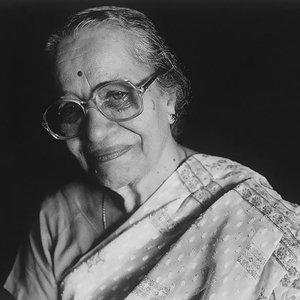
Kamal Ranadive was a distinguished Indian biomedical researcher renowned for her groundbreaking work in cancer research and cell biology. Born in 1917 in Pune, India, she dedicated her life to understanding and combating cancer, particularly in the Indian context. Ranadive's academic journey began with a degree in botany and zoology, followed by a doctorate in cytology, the study of cells. This foundation equipped her with the knowledge to delve into the complexities of cancer cells and their behavior.
Her most significant contributions stemmed from her research on the genetic basis of cancer. She established India's first tissue culture laboratory at the Indian Cancer Research Centre (ICRC) in Mumbai, enabling her to conduct indepth studies of cancer cells in a controlled environment. This pioneering work led to crucial insights into the differences between cancerous and normal cells, paving the way for more targeted therapies. Ranadive's research extended to identifying links between viruses and cancer, a field that was relatively unexplored in India at the time.
Beyond her laboratory research, Ranadive was deeply committed to translating her scientific findings into practical applications for cancer prevention and treatment. She played a vital role in developing a vaccine for leprosy, a disease that disproportionately affected vulnerable populations in India. Furthermore, she championed the importance of cancer awareness and early detection, recognizing that these measures were crucial for improving patient outcomes. Her work also involved training young scientists and researchers, fostering a new generation of experts dedicated to tackling cancer and other health challenges in India. Kamal Ranadive's legacy extends beyond her scientific achievements; she was a role model for women in science, demonstrating that dedication and perseverance could overcome societal barriers.
Family and Early Years
Personal Details
- 🎂 Date of Birth
- 08 November 1917
- 📍 Place of Birth
- Pune India
- 👨👩👧👦 Family Details
- Parents: Dinkar Dattatreya Samarath and Kamala Samarath
- Spouse: J. T. Ranadive.
Early Career
- 👩⚕️ Early Career Beginnings
- Kamal Ranadive's professional journey began with a strong foundation in science driven by a deep interest in understanding the complexities of the human body and disease. Her early career was marked by dedication to research and a commitment to unraveling the mysteries of cancer.
- 🔬 Initial Research Focus
- After obtaining her doctorate she joined the Indian Cancer Research Centre (ICRC) in Bombay. This marked a pivotal point in her career, providing her with the platform to pursue her passion for cancer research. Her initial focus was on cell biology, where she sought to understand the fundamental processes that govern cell growth and differentiation.
- 🎗️ First Major Contribution
- Her first major contribution came with her work on the genetic basis of cancer. She and her team investigated the links between viruses and cancer specifically focusing on leukemia. This research was significant because it was among the first to explore the role of viruses in cancer development in the Indian population.
- 🚧 Challenges Faced
- Establishing herself in the field was not without its challenges. Limited resources for research coupled with societal expectations and biases, created obstacles. Securing funding for innovative projects and gaining recognition for her work demanded perseverance and resilience. Overcoming these hurdles required unwavering dedication to her scientific pursuits.
A Journey of Recognition
Career Journey
- A pioneering biomedical researcher Kamal Ranadive revolutionized cancer research and established India's first tissue culture research laboratory.
- 🔬 Early Cancer Research & Tissue Culture Pioneering
- After gaining recognition for her cytogenetic studies of cancer Ranadive focused on establishing tissue culture techniques in India. She meticulously cultivated cancer cells in vitro, which was a groundbreaking feat at the time. This led to a deeper understanding of cancer mechanisms.
- 🧪 Developing Cancer Detection Methods
- Ranadive's major contribution during this phase was developing new cancer detection methods particularly for breast cancer. She played an influential role in promoting early detection and diagnosis, which significantly impacted public health. Her work involved extensive research into the link between viruses and cancer.
- 🤝 Founding the Indian Cancer Research Centre (ICRC)
- A significant decision was her involvement in establishing the Indian Cancer Research Centre (ICRC). She held leadership positions within the ICRC fostering an environment for groundbreaking research. Her intellectual breakthrough involved understanding the genetic basis of cancer susceptibility. She actively participated in national and international cancer research organizations.
- 🌱 Impact on Leprosy Research
- Ranadive faced challenges in securing funding and resources for her research. She adapted by diversifying her research focus which led to significant contributions in understanding leprosy. Her work expanded to immunoleprosy and developing a leprosy vaccine. This deepened her impact by addressing another critical public health issue. Her work in this period shaped her legacy as a multidisciplinary researcher who tackled significant health challenges.
Achievements and Milestones
- Here's a list of awards received by Kamal Ranadive:
- 🏆 Awards
- ● Padma Bhushan (1982)
- ● Watumull Foundation Award (1964)
- ● Guggenheim Fellowship (1964).
Additional Highlights
Contributions
- 🔬 Pioneering Cancer Research and Tissue Culture Techniques
- ● Kamal Ranadive's most significant contribution lies in her groundbreaking work in cancer research particularly related to the links between cancer and viruses.
- ● She was instrumental in establishing India's first tissue culture research laboratory at the Indian Cancer Research Centre (ICRC) in Mumbai.
- ● Her research focused on studying the cellular mechanisms of cancer development using tissue culture techniques to grow and analyze cancer cells in vitro.
- ● She was a pioneer in identifying links between viruses and cancer a field that was relatively unexplored in India at the time.
- 👩🔬 Leprosy Research and Vaccine Development
- ● Dr. Ranadive also made significant contributions to leprosy research.
- ● She and her team worked extensively on identifying and studying Mycobacterium leprae the bacterium that causes leprosy.
- ● Her work aimed at developing a leprosy vaccine.
- 👩🏫 Empowering Women in Science and Education
- ● Dr. Ranadive was a strong advocate for women's education and empowerment particularly in the field of science.
- ● She played a vital role in encouraging young women to pursue careers in science and medicine.
- ● She actively mentored and supported female researchers and students helping them overcome barriers and achieve their full potential.
- ● She developed a biology syllabus appropriate for Indian schools.
- ❤️ Promoting Science Education in Rural Communities
- ● Beyond her research Kamal Ranadive was deeply committed to promoting science education in rural communities.
- ● She believed in the importance of making science accessible to all regardless of their background or location.
- ● She worked to bridge the gap between scientific knowledge and the general public particularly in underserved areas.
- ● With her colleagues she started the Indian Women Scientists’ Association (IWSA). The IWSA was devoted to promoting science among women and providing science education in rural areas.
Death
- Kamal Ranadive passed away on 11 April 2001.
Frequently Asked Questions
Kamal Ranadive is a well-known figure recognised for their role in Scientists, Scholars & Nobel Laureates of India.
Kamal Ranadive is known as a SCIENTIST, recognised under Scientists, Scholars & Nobel Laureates of India.
Kamal Ranadive is remembered as "Pioneer In Cancer Research, Dedicated Scientist, Advancing Women'S Health" — a reflection of their achievements and impact.
Kamal Ranadive was born on 8 November 1917, and lived to the age of 83.
Kamal Ranadive's zodiac sign is Scorpio.
Kamal Ranadive passed away on 11 April 2001.
You can read more about Kamal Ranadive on Wikipedia.
Kamal Ranadive is currently based in Pune, Maharashtra, India.
Kamal Ranadive was a distinguished Indian biomedical researcher renowned for her groundbreaking work in cancer research and cell biology.
Kamal Ranadive's mother tongue is MARATHI.